
From Summer Living to Fall Living: How Our Homes Change With the Seasons

From Summer Living to Fall Living: How Our Homes Change With the Seasons
The summer to fall home transition doesn’t happen all at once in Colorado. Instead, mornings become cooler, daylight begins to shift, evenings invite an extra layer, and home gradually becomes a bigger part of everyday life again.
During summer, our homes often function as a base for everything happening outside. Doors and windows stay open longer. Shoes come in dusty from trails, yards, parks, and weekend trips. Patios become extensions of living rooms. Towels, water bottles, sports gear, and outdoor equipment seem to migrate from one room to another.
Then fall arrives, and the rhythm changes.
The transition from summer living to fall living isn’t only about weather. It changes how we use our homes, what we expect from them, and even which spaces become most important.
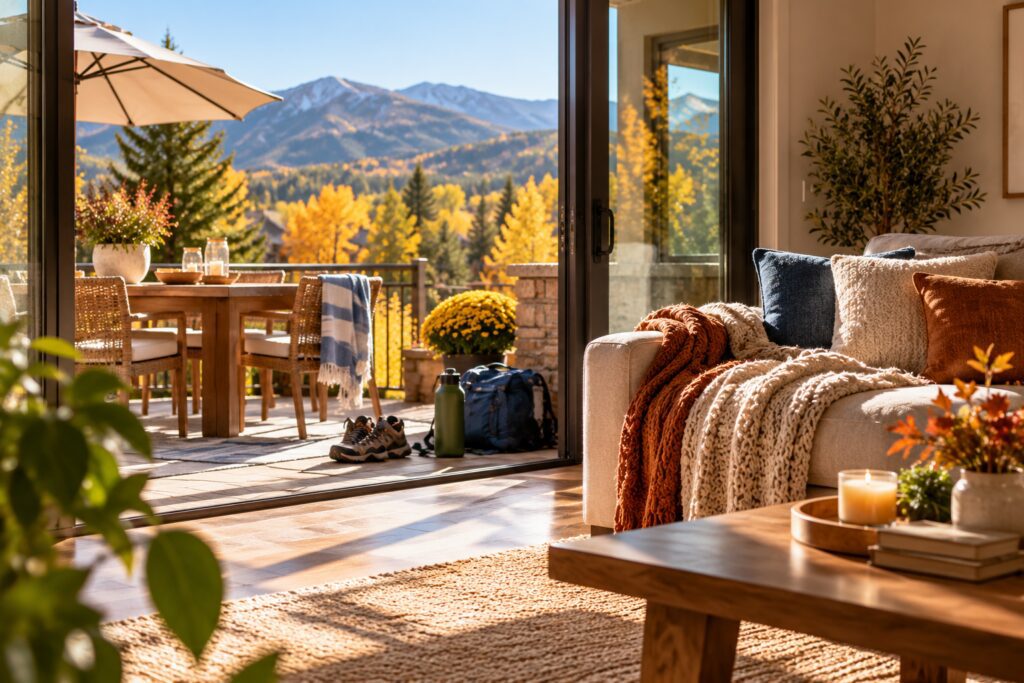
The Outdoors Stop Being an Extra Room
Colorado summers naturally encourage us outside.
Meals move to patios, windows stay open longer, and kids and pets travel constantly between indoors and outdoors. Even garages, mudrooms, balconies, decks and entryways become extensions of everyday living.
As temperatures begin to drop, that activity gradually moves back inside.
The living room becomes somewhere to settle in rather than simply pass through, while kitchens see more regular use. Blankets return to sofas, and shoes and jackets begin collecting near entrances.
It’s a subtle shift, but it means our homes start working differently.
Rather than immediately thinking about a huge seasonal cleaning project, this is a useful time to simply notice how your household is beginning to use its space again.
Open-Window Season Begins to Change
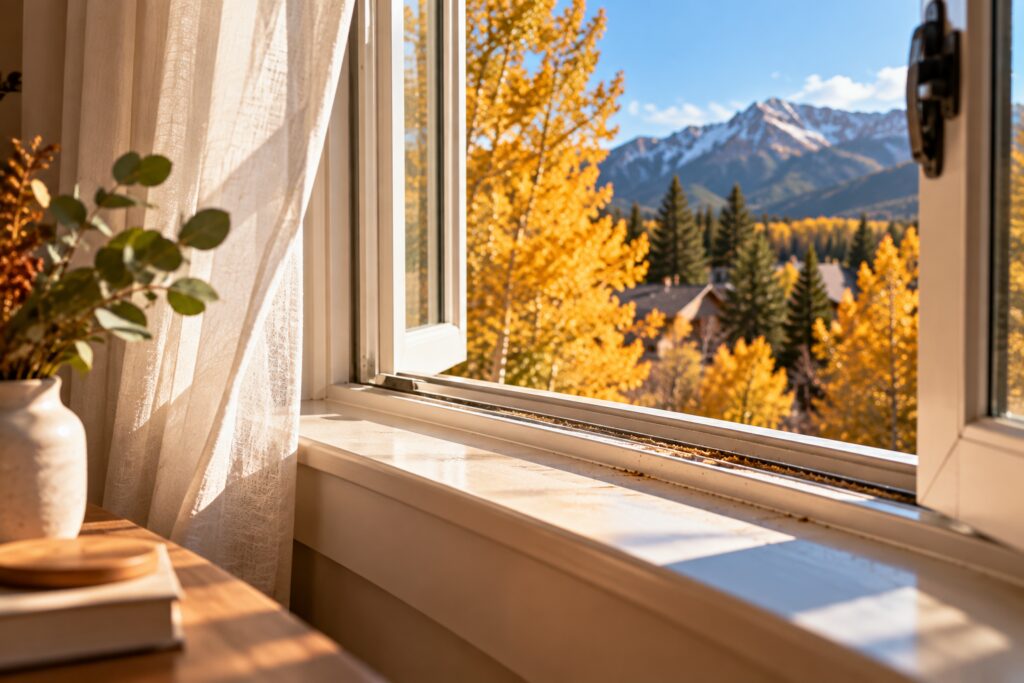
One of the pleasures of Colorado’s warmer months is opening the house to fresh air.
But open windows also create a connection between the outdoor environment and everything inside. Dust, pollen and other fine outdoor particles can make their way indoors and settle on window tracks, textiles, furniture and floors.
As cooler weather arrives and windows remain closed more often, the indoor environment changes too.
This makes early fall a natural transition point. Window tracks can be refreshed, screens checked, and the areas around frequently opened windows given some attention before they become less noticeable during colder months.
It’s less about completing another cleaning checklist and more about closing out one season before fully settling into the next.
Our Entryways Take on a New Job
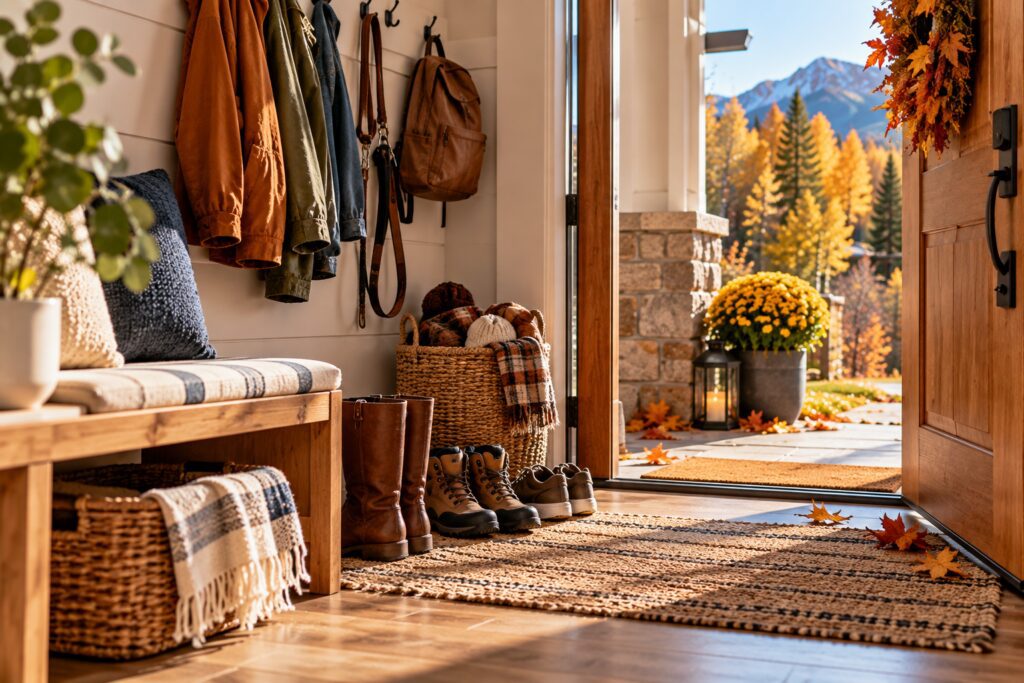
In summer, an entryway might collect sandals, hats and outdoor gear.
Fall brings its own collection.
As fall settles in, the entryway begins to look different. Jackets return to hooks, shoes get heavier, and leaves inevitably find their way indoors. Backpacks, bags and pet leashes still need a place to land, while colder-weather accessories gradually become part of the everyday routine.
A functional entrance can make everyday life surprisingly easier.
A durable mat, a designated place for shoes, hooks for frequently used items and a basket for smaller accessories can prevent the entrance from becoming a daily pile of belongings.
The goal isn’t to create a picture-perfect entryway. It’s to create one that works for the people actually living there.
Comfort Starts to Matter More

Summer interiors often feel best when they’re light, open and uncluttered.
Fall tends to invite something different.
Soft blankets return. Rugs feel more important. Warmer lighting becomes noticeable as daylight hours change. Bedrooms may get heavier bedding, while living spaces become places where people spend longer stretches of time.
This is where the atmosphere of a home starts to matter just as much as its appearance.
Small changes can have a surprisingly large effect: washing a favorite throw, rotating seasonal bedding, adjusting lighting, bringing frequently used blankets within reach or simply rearranging a room to make it more comfortable.
Creating a welcoming home doesn’t necessarily require buying new décor. Sometimes it simply means paying attention to what already makes the space feel good.
Kitchens Begin Working Differently Too

Our habits in the kitchen often follow the seasons.
Summer might mean grilling, quick meals and eating outside. Cooler weather can gradually bring cooking back indoors, along with longer meals, baking and more time gathered around the kitchen.
That makes early fall a useful moment to look at the kitchen from a practical perspective.
Are the things you use most actually easy to reach? Are there summer items taking up valuable space? Have cabinets and drawers accumulated things that no longer belong there?
A small seasonal reset can make the kitchen work better without turning into a complete pantry makeover.
Sometimes moving a few items, clearing one crowded counter and addressing the areas that received heavy summer use is enough.
Floors Tell the Story of the Previous Season
If there is one part of a home that quietly records how busy summer was, it’s the floor.
Outdoor shoes, pets, guests, open doors and everyday movement all leave their mark.
And different surfaces respond differently.
Carpet can hold fine particles and pet hair below the most visible surface. Grout may gradually darken in high-traffic areas. Wood, stone and other hard flooring can develop visible traffic patterns or require specific maintenance depending on their finish.
This is one reason seasonal home care is about more than making things look clean.
Maintaining surfaces appropriately can help preserve the materials that are already part of your home.
We Start Spending More Time Together Indoors

Fall doesn’t only change the house. It changes household routines.
More evenings happen inside. Homework returns to tables. Pets spend more time indoors. Weekends may shift from constant outdoor activity toward movies, cooking, reading, projects and gatherings at home.
Suddenly, shared spaces matter more.
The kitchen table covered with miscellaneous items becomes noticeable when you actually want to sit around it. The living room arrangement matters when everyone is using it. The entryway matters when several people arrive carrying jackets, bags and shoes.
This is why seasonal transitions can be a useful opportunity to rethink a space rather than simply clean it.
Ask a simple question:
Does this room make everyday life easier or harder?
Sometimes the most useful improvement isn’t scrubbing something. It’s moving a basket, clearing a surface, relocating something that is always in the way or giving frequently used items a proper home.
Fall Home Care Is Also About Maintenance
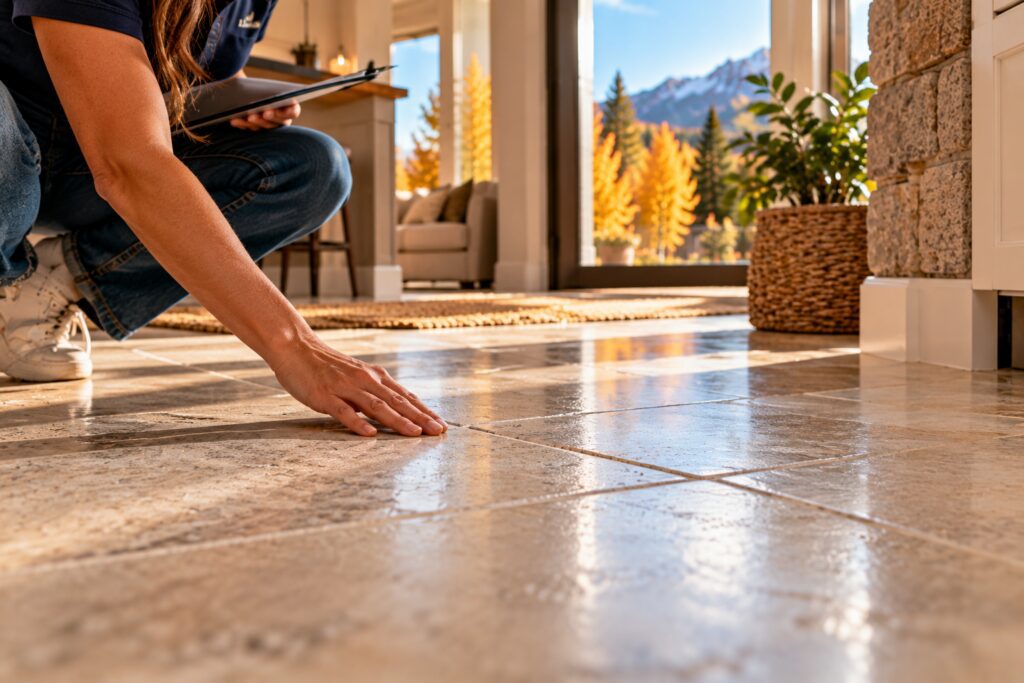
Not everything that deserves attention during a seasonal transition involves décor or organization.
Fall is also a useful time to notice the condition of the home itself. The summer to fall home transition is also a natural opportunity to notice maintenance needs that may have been overlooked during the busier summer months.
Look at the surfaces and areas you interact with every day. Flooring, grout, carpets, frequently used fixtures and high-traffic areas can gradually show signs of wear that are easy to overlook when life is busy.
The transition between seasons gives homeowners an opportunity to notice those details before they become bigger projects.
Some things can be handled through everyday upkeep. Others may benefit from specialized or professional care.
Knowing the difference is part of taking care of a home over the long term.
A Summer to Fall Home Transition Doesn’t Require a Makeover
Social media can make seasonal transitions look like an invitation to replace everything.
That might mean new pillows, seasonal candles, fall decorations, extra storage or a perfectly styled porch.
Real homes don’t need to work that way.
A summer to fall home transition can be much simpler.
Start by putting away what you no longer use and bringing forward what you will. Make shared spaces comfortable again, give heavily used areas some attention, and deal with maintenance you’ve been postponing. Practical places for jackets, shoes and other cold-weather essentials can also make everyday routines easier.
Most importantly, think about how you want your home to function and feel during the months ahead.
Your Home Changes Because Life Changes
The most interesting thing about seasonal home care is that the house itself hasn’t necessarily changed.
We have.
Our routines shift with the season. Cooler weather brings more of everyday life indoors, while shorter days influence how we cook, relax, entertain and spend time together. As those habits evolve, the way we use our homes naturally changes too.
A home that supports those changing routines doesn’t have to be perfect.
It simply needs to be cared for.
At Mountain Bird Cleaning, that’s something we understand well. Caring for a space isn’t only about how it looks immediately after it’s cleaned. It’s about helping homes and properties remain comfortable, functional and well maintained through everyday life and changing seasons.
When part of that seasonal transition calls for more thorough care, you can explore our residential and specialty cleaning services or contact Mountain Bird Cleaning to learn more.